
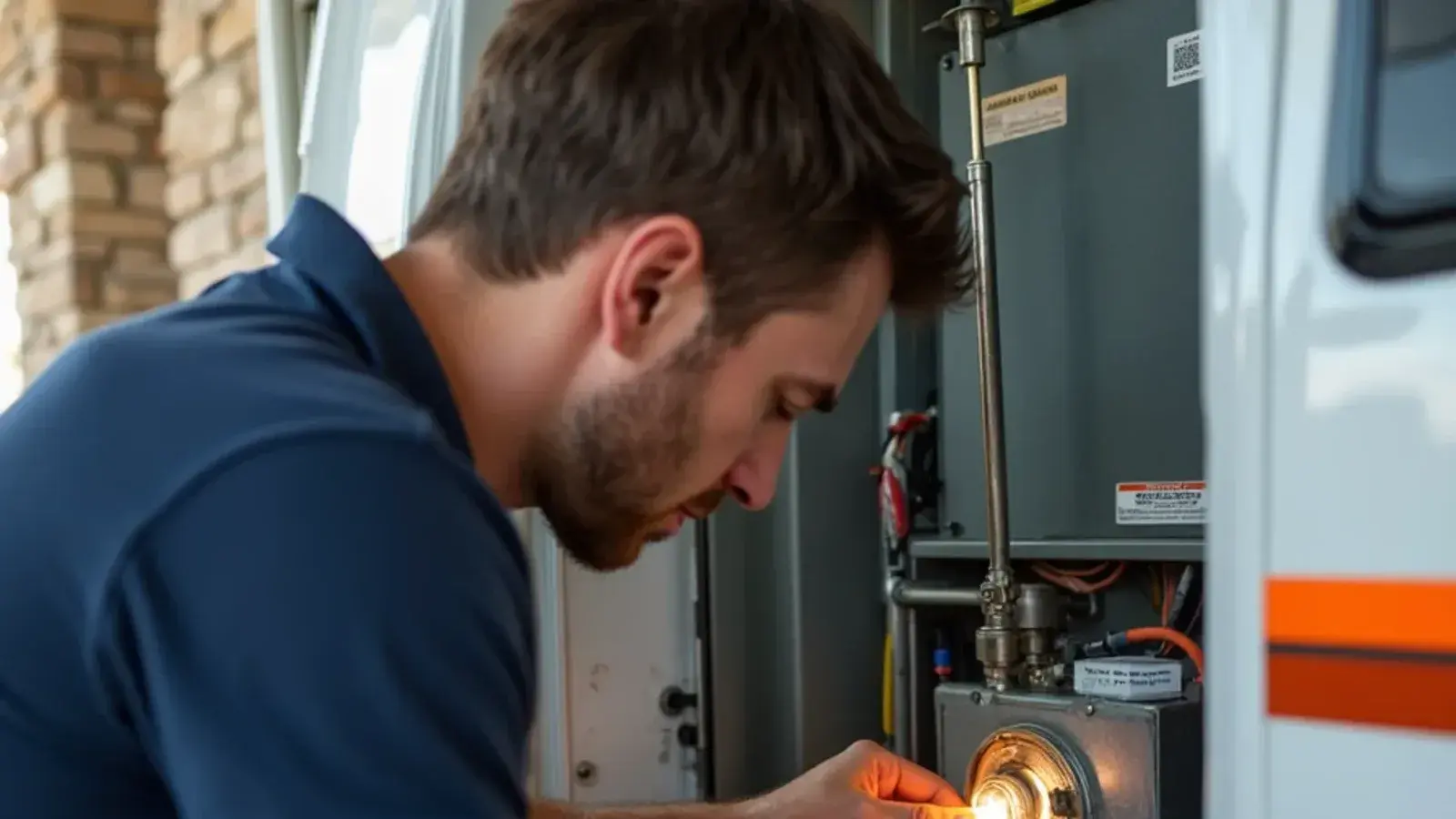
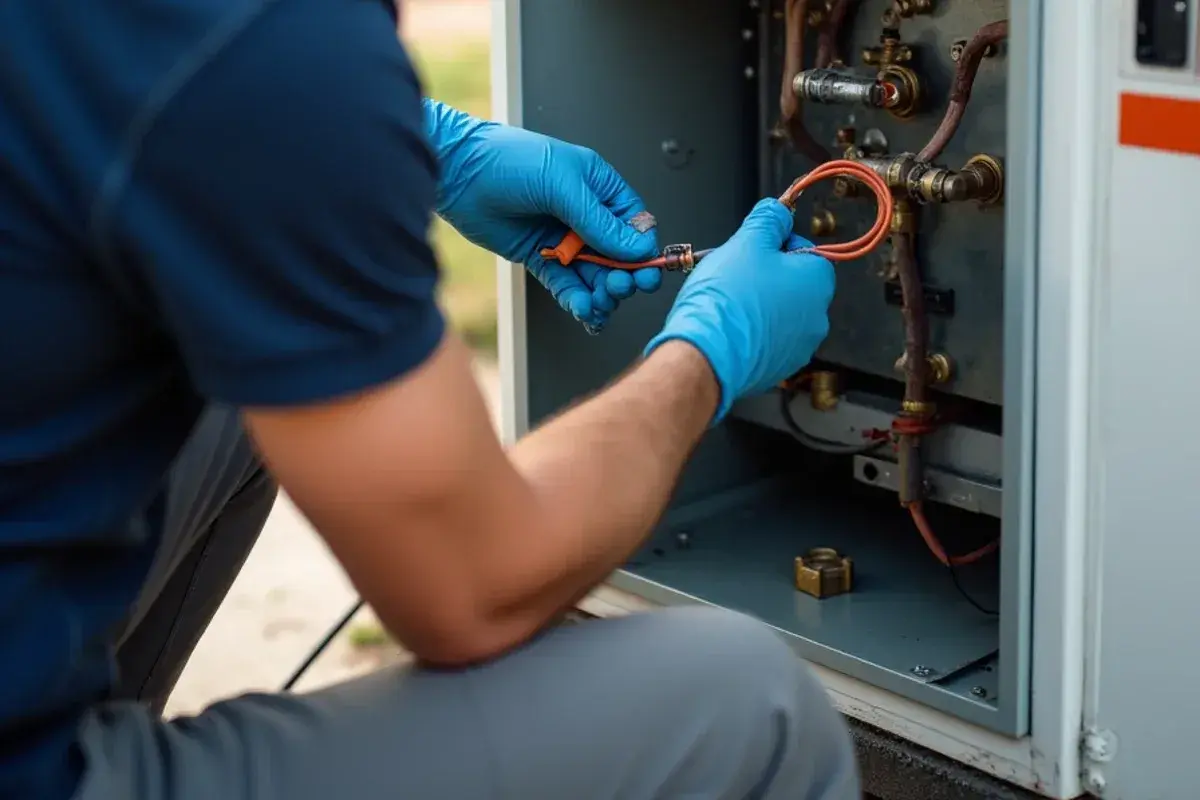
When winter temperatures plunge in Killeen, TX, waking up to a cold home and a furnace blowing unheated air is a stressful emergency. Gas heating appliances rely on a delicate sequence of electrical relays, safety limit switches, and combustible gas controls. When any safety interlock in this operating sequence fails to confirm safe conditions, the electronic control board initiates an automatic lockout to prevent uncontrolled gas accumulation or fire hazards.
The experienced heating technicians at Quality Heating & Air Conditioning specialize in rapid, methodical furnace troubleshooting. We isolate why your heating plant failed to ignite or shut down prematurely. Our service trucks carry an extensive inventory of universal hot surface igniters, flame sensors, gas valves, and control boards to restore safe warmth across Killeen, Copperas Cove, and Harker Heights.
Common gas furnace ignition failures and emergency symptoms in Killeen
Because Central Texas furnaces sit completely dormant throughout seven to eight months of summer heat, mechanical and electrical faults often emerge during the season's first freeze. Recognizing early failure signs allows you to request timely repairs before total system failure occurs:
- Blower Fan Blowing Cold Air: If air circulates through registers without warming up, the ignition sequence has aborted. Common culprits include cracked hot surface igniters, fouled flame sensors, or an open limit switch.
- Rapid Short-Cycling Cycles: A furnace that ignites for two or three minutes before abruptly shutting down is frequently tripping an internal high-temperature limit switch due to restricted airflow from a choked filter or failing blower.
- Delayed Ignition Booms: A noticeable metallic bang when burners light signifies delayed ignition, caused by misaligned burner carryover ports or weak igniters that allow gas to accumulate before sparking.
- Diagnostic LED Blinking Codes: Modern furnace control boards flash specific color-coded pulses through the sight glass. Our technicians decode these flash patterns to target failed pressure switches, open rollouts, or polarity reversals.
- Acrid Gas or Electrical Odors: An ongoing sulfur or gas odor requires immediate evacuation and utility notification, while an electrical burning smell indicates an overheated transformer or seizing blower bearings.
What our professional furnace repair service covers in Central Texas
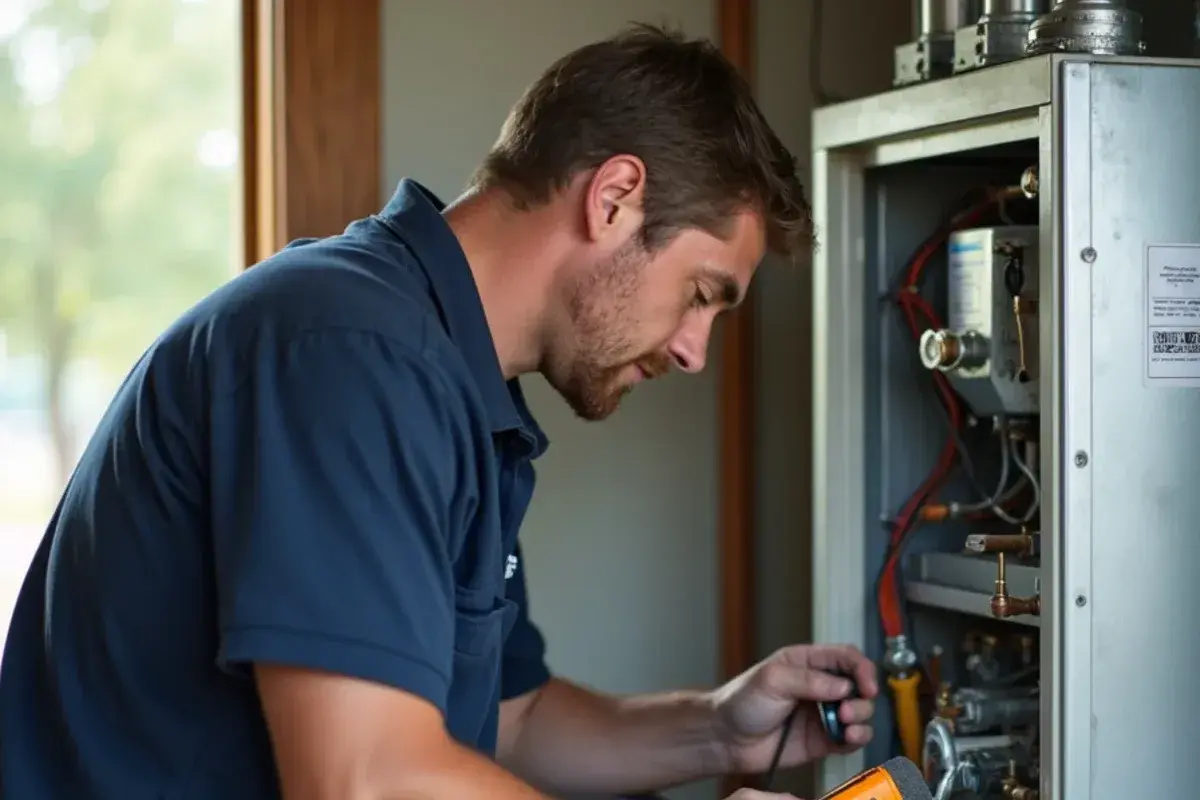
A dependable furnace repair requires comprehensive diagnostic testing across electrical, mechanical, and fuel delivery components. Our full-scope repair services include:
- Hot Surface Igniter Replacement: Installing robust silicon nitride igniters engineered to withstand thermal cycling far better than fragile silicon carbide elements.
- Flame Rectification Sensor Servicing: Cleaning oxidized flame rods with fine non-abrasive emery cloth and testing microamp direct current signals to eliminate false lockouts.
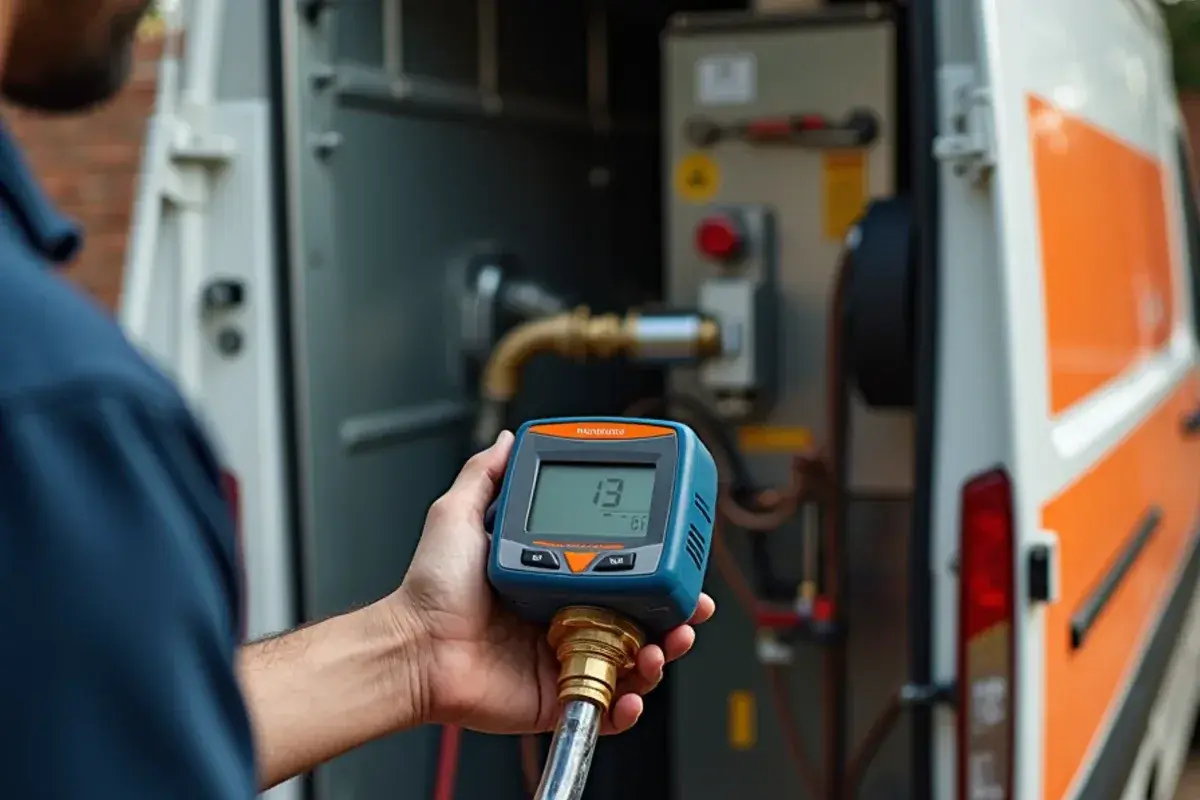
- Gas Valve Testing and Manifold Adjustment: Measuring inlet supply pressure and adjusting manifold output with digital manometers to match manufacturer specifications.
- Draft Inducer Blower and Pressure Switch Repair: Clearing clogged flue collector boxes, replacing cracked sensing tubing, and installing balanced draft inducer assemblies.
- High-Limit and Flame Rollout Diagnostics: Testing automatic reset limit switches and manually resettable thermal rollout cutoffs to protect against heat exchanger damage.
- Combustion Gas Analysis and Borescope Inspection: Scanning heat exchanger cells for microscopic fractures and analyzing flue exhaust to verify zero carbon monoxide infiltration into living spaces.
Why do gas furnace igniters and safety switches fail so frequently?
The most frequent service calls on Killeen gas furnaces involve hot surface igniters and flame sensors. Electronic igniters glow red-hot, exceeding 2,000 degrees Fahrenheit, to ignite gas from the burners. Over hundreds of expansion cycles, the ceramic element develops microscopic fractures, breaking the electrical circuit.
Flame sensors present another common failure point. Positioned in the burner flame, this metal rod senses ionized flame gases, passing a microamp signal back to the control board. During humid Central Texas summers, ambient moisture and dust coat the rod with non-conductive oxidation. If the board fails to detect this microamp current within four seconds, it cuts gas flow. Polishing the sensor with abrasive cloth restores electrical continuity.
Furthermore, draft inducer blower assemblies and differential pressure switches protect your living areas by ensuring combustion fumes exhaust completely. If the chimney flue is obstructed by debris, the inducer motor capacitor has weakened, or condensation backs up inside drain tubing, the pressure switch remains open, safely aborting ignition. Explore our full heating services capabilities for complete system tune-ups.
Our six-step furnace diagnostic and component repair protocol
Executing a safe, reliable furnace repair requires following a methodical sequence to verify combustion safety and mechanical performance. Our technicians adhere to an established six-step protocol on every service call:
- Control Board Error Code Inspection: We observe diagnostic flash codes through the furnace sight glass before cutting power, preserving stored fault codes to identify intermittent safety lockouts.
- Electrical Supply and Transformer Diagnostics: Technicians measure incoming line voltage, inspect door interlock safety switches, and verify 24-volt control transformer output under load.
- Draft Inducer and Venting Verification: We measure draft inducer operating current, inspect flue vent pipes for blockages, and use digital manometers to verify differential pressure switch closure.
- Ignition and Flame Signal Testing: We check igniter electrical resistance in ohms, observe burner ignition timing, and test flame rectification microamps with calibrated multimeters.
- Gas Manifold Pressure Calibration: We connect pressure hoses to the gas valve manifold tap, measuring pressure against factory data plate specifications (3.5 inches water column for natural gas).
- Combustion Safety and Heat Exchanger Inspection: We utilize optical borescopes and electronic flue gas analyzers to confirm zero carbon monoxide leakage, test limit switches, and verify safe temperature rise across supply ducts.
The critical danger of cracked heat exchangers and carbon monoxide infiltration
The heat exchanger separates toxic combustion flames and exhaust gases from the breathable indoor air circulating throughout your home. Over years of thermal stress, restricted airflow from neglected air filters causes the metal cells to overheat repeatedly, eventually developing fatigue cracks or seam separations.
A cracked heat exchanger presents an immediate life-safety hazard. The indoor blower fan pushes pressurized air across the exterior of the cracked cell, forcing combustion fumes—including deadly carbon monoxide—directly into living areas. During every furnace service call, our technicians perform thorough optical inspections and electronic flue gas analysis. If a cracked heat exchanger is confirmed, safety codes mandate immediate equipment shutdown. In older systems, installing a modern matched furnace installation is the most protective solution.
What factors influence furnace repair costs in Bell County?
Understanding repair costs helps homeowners make sound financial decisions when heating machinery falters. Quality Heating & Air Conditioning applies our standard diagnostic fee directly toward authorized repairs:
- Routine Component Replacements: Standard repairs, such as replacing a cracked igniter, polishing a flame sensor, or replacing a capacitor, require standard truck stock and minimal labor.
- Intermediate Mechanical Assemblies: Replacing a draft inducer assembly, gas valve, or control board involves specialized calibration and safety testing.
- Major Overhauls vs. System Upgrades: When an older furnace requires an expensive blower motor or suffers a cracked heat exchanger, our 50 percent rule helps determine whether repair or heating modernization delivers superior value.
- Propane vs. Natural Gas Configurations: Rural properties in Bell and Coryell counties operating on propane require specialized LP orifices and spring adjustments for higher manifold pressures.
Certified safety compliance, NFPA gas standards, and TDLR licensing in Killeen
Working on residential gas appliances requires verified technical competence and strict compliance with state and municipal safety regulations. In Killeen, heating work is governed by the 2021 International Residential Code and NFPA 54 National Fuel Gas Code. Unqualified repairs can lead to hazardous gas leaks, electrical shorts, or carbon monoxide accumulation.
All furnace repairs at Quality Heating & Air Conditioning are performed under Texas TDLR Class A License #TACLB23981E. This state certification confirms our competence across all heating and cooling configurations without capacity limits. Our technicians also maintain EPA Section 608 Universal credentials, pulling required city permits and testing every safety control before completing our work.
Since 1973, when Oliver Kilpatrick established Quality Heating & Air Conditioning in Killeen, our family-owned business has prioritized technical honesty and customer satisfaction across three generations. Led today by company president Jerry Kilpatrick from our shop at 1112 Florence Rd, we maintain fully stocked service vehicles to resolve heating emergencies on our initial visit. We provide clear quotes before beginning work and ensure your home stays comfortably warm throughout the coldest Texas cold snaps.
Where we do furnace repair around Killeen
A few of the communities we serve, and what this service usually looks like there.
- Furnace Repair in Temple, TX
Temple homeowners count on our rapid emergency dispatch when gas furnaces blow cold air during freezing winter northers.
- Furnace Repair in Copperas Cove, TX
Established properties across Copperas Cove trust our team to repair aging gas valves and replace cracked igniters.
- Furnace Repair in Harker Heights, TX
Harker Heights family residences receive thorough combustion safety checks and flame sensor cleanings.
- Furnace Repair in Belton, TX
Historic Belton homes depend on our technicians to source hard-to-find components for older gas and propane heating units.
- Furnace Repair in Fort Cavazos, TX
Military housing communities near Fort Cavazos benefit from prompt diagnostic visits to restore heat during winter cold snaps.
- Furnace Repair in Nolanville, TX
Subdivisions along Highway 190 rely on our experienced team to troubleshoot electronic control board faults and pressure switches.
- Furnace Repair in Salado, TX
Salado custom properties receive meticulous heating safety inspections that ensure safe venting and zero carbon monoxide risk.
- Furnace Repair in Gatesville, TX
Coryell County ranch properties count on our service fleet for rural propane furnace servicing and manifold calibrations.
- Furnace Repair in Kempner, TX
Rural properties along US-190 depend on our skilled specialists to verify flue drafting and replace failing draft inducers.
Google reviews that mention work like furnace repair
3.8 out of 5 from 57 Google reviews
“Awesome place! They came out and did an estimate on my a/c that was freezing over. Determined it needed cleaning. I had them come out after an estimate of $350-$400, when I was quoted $500 by a different company not long before. The guys Dale and Max were very nice and professional. They came in pulled the coils and cleaned them. They put everything back and cleaned up. They treated myself and my family with respect and were very nice to our cats as we run a rescue in our home. Max is allergic to cats and never once complained! I will continue to use their company for my heating and air conditioning needs! The final cost was $375 for them to pull and clean my a/c coils. Very affordable!!”
- Fair pricing
- Quality workmanship
- Clean work area
- Affordability
Services: Frozen AC coil cleaning & diagnosis
Response from the owner: Thank you for your kind words. We appreciate your business and look forward to future business with you.
“I have been a customer of Quality Heating and Air for almost 30 years. When I needed a new ac unit I gave them a call. Jennifer, Kelly, and Max are the best. They came out quickly and took care of me. They are always polite and respectful, and are honest and don't try to rip you off, do yourself a favor and give these good folks a call.”
- 30-year loyalty
- Honesty
- Fast replacement
- Respectful staff
Services: New AC unit installation & long-term maintenance
Response from the owner: Thank you so much for your review. We appreciate you, and look forward to the future business with you.
“These guys are great! Even though we compete one of my servicemen hurt his back while working on someones AC. A quality heating and air tech across the street saw this and came over and helped him complete job. "PURE CLASS". I cant say enough how much we respect Jerry Kilpatrick and ALL his employees. We are all out here in this heat together and its great to know you have brothers from another mother that have your back.”
- Integrity
- Community brotherhood
- Pure class
- Peer contractor respect
Services: Peer contractor endorsement & community respect
Frequently asked questions about furnace repair in Killeen?
Why is my furnace blowing cold air?
A furnace blowing cold air typically indicates that the blower fan is running while the burners have failed to ignite. Common causes include a dirty flame sensor that shuts gas off after a few seconds, a cracked hot surface igniter that cannot glow hot enough, a tripped high-limit safety switch caused by a clogged filter, or a gas valve that has failed to open.
Is it safe to run a furnace that keeps short-cycling?
No. Short cycling—where the furnace ignites, runs for a minute or two, and shuts down abruptly—indicates that an internal safety control is tripping. The most frequent cause is heat exchanger overheating due to choked airflow. Continuing to operate a short-cycling furnace places severe thermal stress on the heat exchanger, risking cracks and carbon monoxide leakage.
Do you check for carbon monoxide during furnace repairs?
Yes, carbon monoxide testing is an integral part of every furnace repair we perform. Our technicians use calibrated electronic gas sniffers and flue gas analyzers to inspect the heat exchanger and venting system, ensuring that dangerous combustion gases are fully vented outside your home.
How long does a furnace last in Central Texas?
Because furnaces in Central Texas operate for fewer total hours each year than systems in the northern United States, quality gas furnaces often last between fifteen and twenty years when maintained properly. However, neglected filters, dirty burners, and unaddressed condensation can cause heat exchanger corrosion within twelve to fifteen years.
Can you repair older furnaces from the 1990s?
Yes. Our technicians carry extensive experience on older standing-pilot and electronic ignition furnaces from the 1980s and 1990s. We stock universal thermocouples, pilot assemblies, fan limit switches, and gas valves to repair older heating equipment safely whenever parts are mechanically sound.
Still have a question about furnace repair? Ask us directly.
Call (213) 423-7827