
Discovering that your air conditioner is running constantly while indoor temperatures continue to rise is one of the most frustrating experiences a homeowner can face in Killeen, TX. You hear the outdoor unit humming and feel air moving through the ceiling vents, but the discharged air is lukewarm or room temperature. In the brutal heat of a Central Texas summer, indoor temperatures can jump five to ten degrees within a few hours, turning your living room into an uncomfortable sauna. When the thermometer outside climbs past triple digits, a cooling failure creates genuine discomfort and puts vulnerable family members at risk.
At Quality Heating & Air Conditioning, our licensed HVAC technicians specialize in diagnosing non-cooling conditions quickly and systematically. Rather than guessing or swapping parts without proof, we perform comprehensive diagnostic testing to identify why heat transfer has ceased. We evaluate the complete refrigeration circuit, electrical controls, and indoor airflow dynamics through disciplined AC repair protocols to restore cold air delivery to your home today.
What does our non-cooling diagnostic service include?
When an air conditioner blows air without chilling it, restoring performance requires isolating the exact breakdown in heat absorption or heat rejection. Our certified technicians perform a detailed multi-point evaluation across every mechanical and electrical subsystem of your cooling equipment:
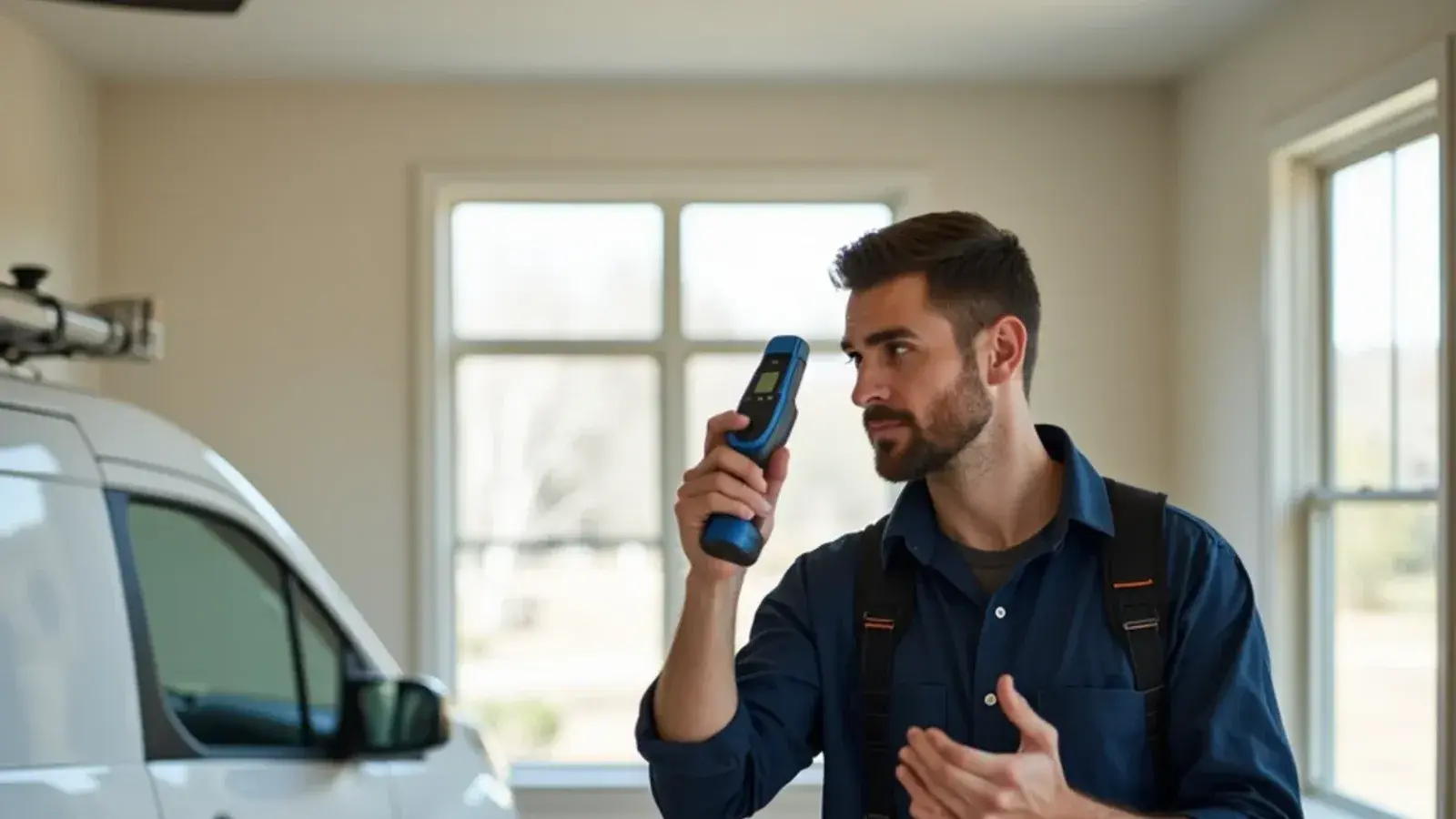
- Precision Delta-T Temperature Testing: Inserting calibrated digital thermometers into supply and return plenums to calculate the exact temperature drop across the evaporator coil.
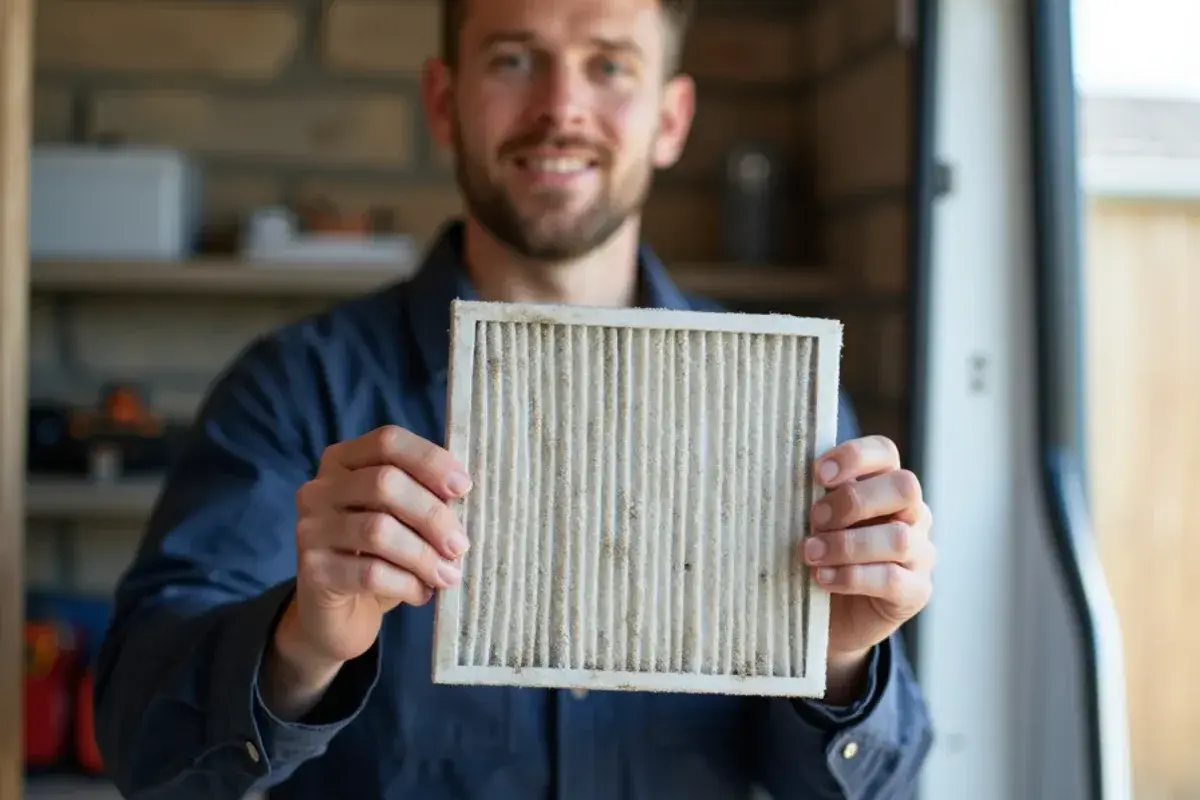
- Airflow & Static Pressure Measurement: Checking static resistance across air filters, blower wheels, and supply trunk lines to identify airflow restrictions that starve the cooling coil.
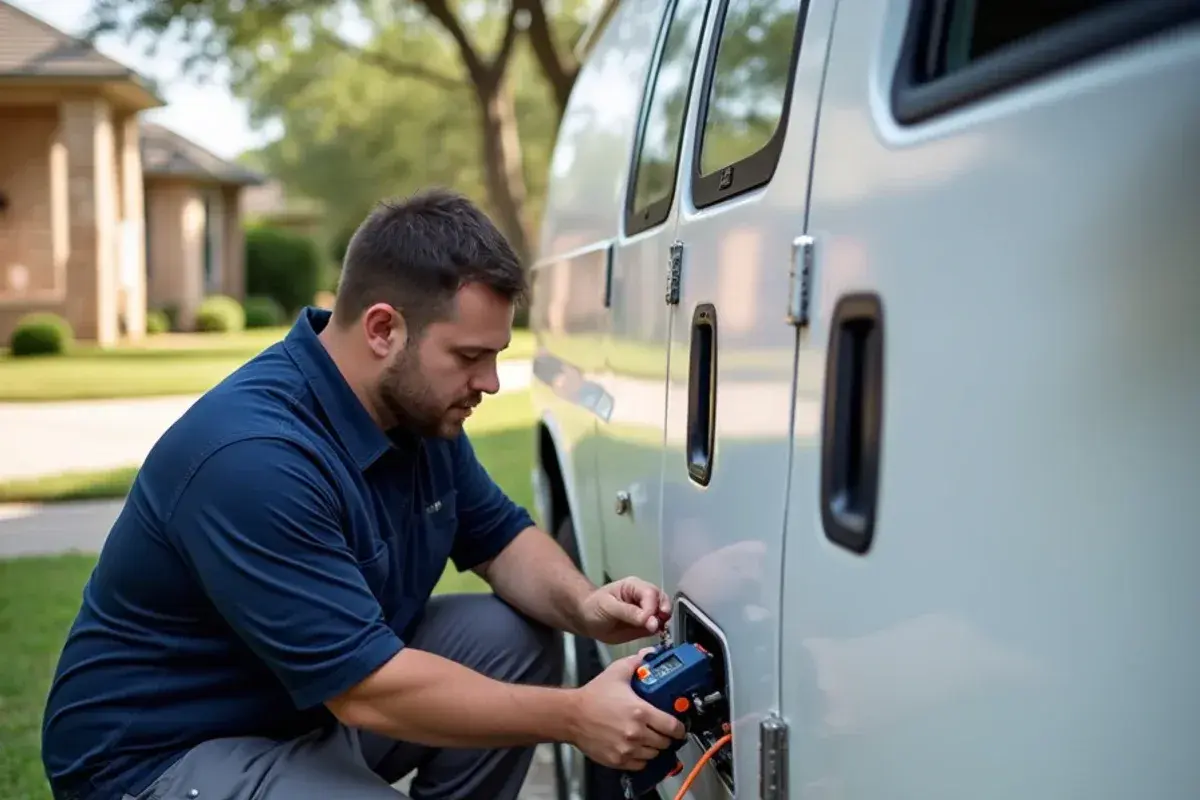
- Thermodynamic Superheat & Subcooling Analysis: Connecting digital manifold gauges to measure refrigerant pressures, verifying proper charge levels and thermal expansion valve (TXV) metering.
- Electrical Contactor & Capacitor Metering: Measuring microfarad ratings and line voltage across electrical relays to ensure the compressor motor is actually turning over under load.
- Indoor & Outdoor Coil Inspection: Evaluating aluminum fin surfaces on both coils for compacted dust, cedar pollen, and organic debris that impede thermal heat transfer.
- Condensate Drainage & Safety Switch Testing: Inspecting secondary overflow float switches and drain pans to ensure safety limit controls have not disabled the outdoor condenser.
Common signs your air conditioner is failing to cool properly
Recognizing cooling failure early helps Killeen homeowners resolve problems before an electrical or airflow fault damages the compressor. During intense heat across Bell and Coryell counties, cooling units run for twelve to sixteen hours daily.
Key indicators include an AC that runs without cycling off while indoor temperatures climb during peak afternoon hours. You may also notice weak airflow or air that feels humid and sticky rather than crisp and cool. Clicking sounds from the outdoor unit often indicate that the contactor relay has closed but the compressor motor cannot turn over. Furthermore, visible frost forming along the copper suction line signals restricted airflow or an active refrigerant leak requiring prompt shutdown.
Why Central Texas heat waves cause sudden cooling loss
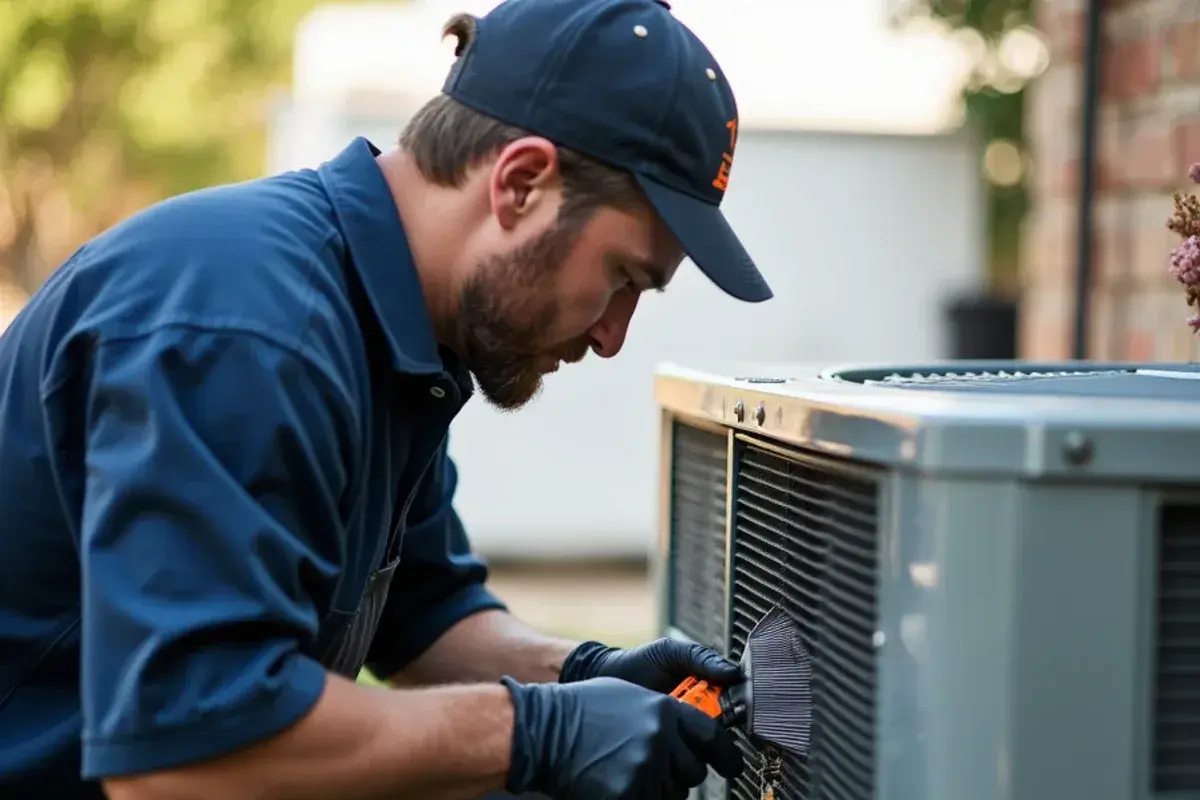
Central Texas summer conditions create severe thermal demands. When afternoon temperatures exceed one hundred degrees with Gulf moisture across the Brazos River basin, outdoor units must reject tremendous heat into hot air. When condenser fins accumulate limestone dust, grass clippings, or cottonwood seeds, heat rejection stalls.
Consequently, head pressures spike. Modern compressors feature internal thermal overload switches that open when windings reach unsafe temperatures. On many non-cooling calls across Harker Heights and Copperas Cove, we find the outdoor condenser fan spinning while the overheated compressor has shut down, blowing unchilled air through the house. Detailed coil washing and electrical triage are required to restore safe heat transfer.
Critical mechanical failures that prevent cold air delivery
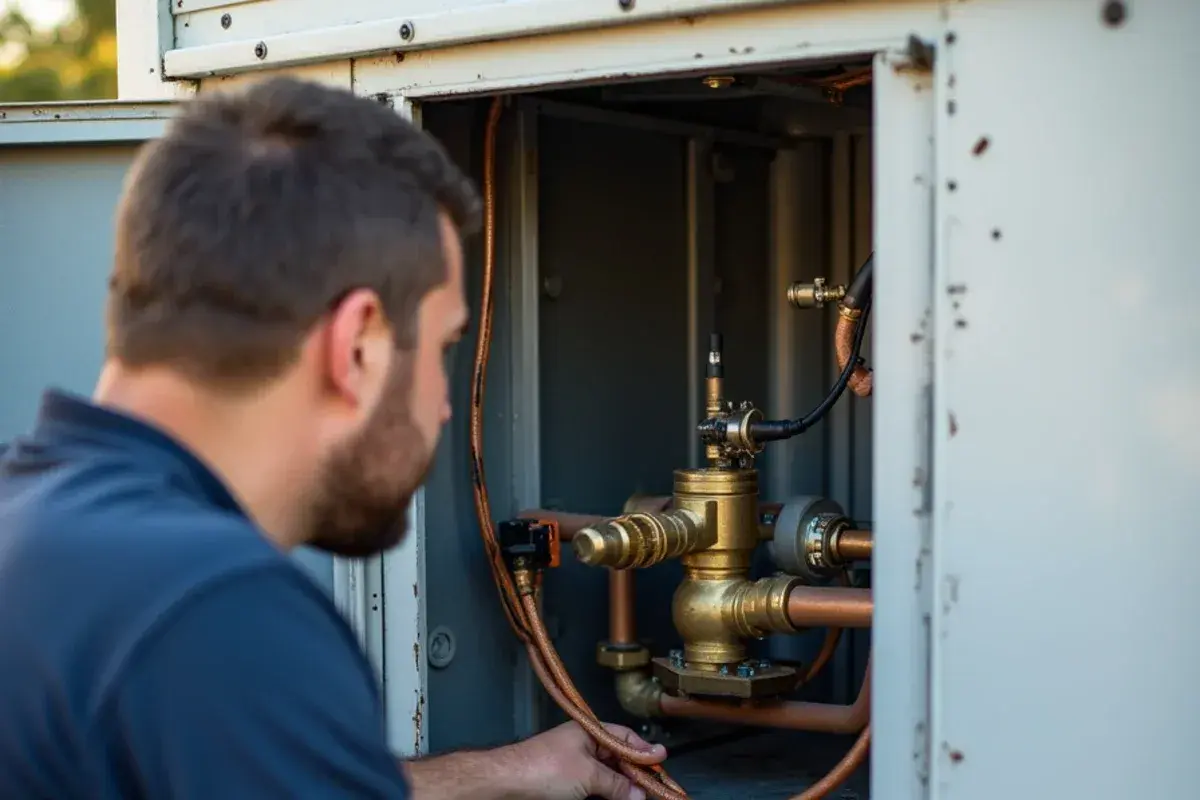
Several distinct mechanical and electrical failures can cause an air conditioner to blow warm air even though the system appears to be operating:
- Failed Dual Run Capacitor: The outdoor fan motor and compressor require separate electrical capacitance to run. If the compressor side of the capacitor drops below manufacturer tolerance, the fan continues to spin while the compressor sits silent, circulating unchilled air throughout your home.
- Refrigerant Loss from Coil Leaks: A pinhole vibration fracture in copper tubing or aluminum evaporator joints allows refrigerant to escape. Without sufficient chemical refrigerant mass, the system cannot absorb indoor heat, and the evaporator coil may drop into vacuum and freeze over, requiring specialized frozen AC repair or electronic refrigerant leak repair.
- Thermostatic Expansion Valve (TXV) Metering Failure: The TXV regulates liquid refrigerant entering the indoor coil. If the valve sensing bulb loses its charge or the internal needle valve sticks shut, refrigerant flow is choked off entirely, halting the refrigeration cycle.
- Pitted or Scorched Contactor Points: High electrical arc heat damages the contactor contacts over time, causing high resistance that prevents full voltage from reaching the compressor terminals.
Our 6-step diagnostic protocol for non-cooling air conditioners
When an air conditioning system fails to drop indoor temperatures, our diagnostic team executes a structured evaluation process focused on thermal performance:
- Static Temperature Probing: We position calibrated digital thermistors inside the supply plenum and return duct to measure the exact temperature differential across the indoor coil.
- Duct Pressure & Airflow Triage: Our technicians gauge external static pressure across the air filter and blower assembly to rule out fan wheel restrictions or clogged media.
- Electrical Capacitance & Amperage Metering: Using precision multimeters, we measure starting capacitance microfarads and monitor compressor running amps to identify motor thermal cutouts.
- Thermodynamic Gauge Analysis: We connect digital manifold sets to high and low service ports to calculate real-time superheat and subcooling without venting refrigerant into the atmosphere.
- Transparent Diagnostic Consultation: We review our findings with you directly, detailing whether the issue involves an electrical component, airflow block, or refrigerant leak, accompanied by clear upfront pricing.
- Mechanical Correction & Verification Cycle: After completing the approved work with OEM-grade parts, we conduct a sustained operating test to verify that supply air temperatures reach factory specifications.
What factors determine the cost to fix an AC that is not cooling?

Restoring an air conditioner that blows warm air involves varying service tiers based on the exact mechanical breakdown discovered during testing:
- Routine Electrical & Drainage Service: Swapping an out-of-tolerance run capacitor, replacing a pitted magnetic contactor, or clearing an algae-blocked condensate drain float represents an economical repair.
- Airflow & Coil Restoration: Clearing compacted dust from indoor blower wheels or performing deep foam cleaning on aluminum condenser fins requires specialized labor and restoration chemicals.
- Sealed Refrigerant Circuit Repairs: Locating microscopic copper tubing fractures with electronic sniffers, brazing joints with high-silver alloy under nitrogen, and recharging virgin refrigerant require licensed technical labor.
- Diagnostic Fee Credit Guarantee: Quality Heating & Air Conditioning applies your full diagnostic fee directly toward any authorized repair. If diagnostic testing reveals a failed compressor on an aging unit, we assist you in comparing repair costs against modern replacement options under the 50% rule.
Licensed Texas HVAC expertise backed by 50 years of family service
Professional air conditioning troubleshooting in Texas demands verified technical skill and full legal compliance. Quality Heating & Air Conditioning maintains active Class A licensure under TDLR License #TACLB23981E, issued by the Texas Department of Licensing and Regulation. This credential guarantees comprehensive commercial liability protection and master-level mechanical oversight. In addition, our field staff hold EPA Section 608 Universal recovery credentials, meeting all federal Environmental Protection Agency guidelines.
In 1973, founder Oliver Kilpatrick launched our local service company right here in Killeen. Today, President Jerry Kilpatrick leads three generations of family technicians from 1112 Florence Rd, delivering honest diagnostics, transparent flat-rate options, and prompt relief from scorching Texas summers without sales commissions.
Where we do ac not cooling repair around Killeen
A few of the communities we serve, and what this service usually looks like there.
- AC Not Cooling Repair in Temple, TX
Temple residents dealing with lukewarm airflow receive prompt troubleshooting to restore cold air before evening temperatures rise.
- AC Not Cooling Repair in Copperas Cove, TX
Ranch homes along FM 1113 facing intense afternoon heat receive comprehensive airflow and refrigerant diagnostics.
- AC Not Cooling Repair in Harker Heights, TX
Two-story subdivisions near Knights Way trust our team to diagnose upper-level heat buildup and restore balanced cooling.
- AC Not Cooling Repair in Belton, TX
Homes near Belton Lake experience high humidity that compounds cooling loss when systems struggle with airflow or refrigerant balance.
- AC Not Cooling Repair in Fort Cavazos, TX
Off-post military families depend on our rapid service calls when cooling units run continuously without dropping indoor temperatures.
- AC Not Cooling Repair in Nolanville, TX
Newer subdivision properties along Interstate 14 receive fast diagnostic checks for restricted filters, dirty coils, and capacitor wear.
- AC Not Cooling Repair in Salado, TX
Custom stone residences in Salado count on our thorough mechanical inspections to protect delicate interiors from rising heat.
- AC Not Cooling Repair in Gatesville, TX
Coryell County farmhouses depend on fully stocked mobile diagnostic vans to resolve cooling failures in a single visit.
- AC Not Cooling Repair in Kempner, TX
Rural properties along US-190 trust our skilled technicians to troubleshoot heat pump metering issues and electrical faults.
Google reviews that mention work like ac not cooling repair
3.8 out of 5 from 57 Google reviews
“Good prices, good customer service and I am just so thankful that I contacted them!! They just fixed my air today and the last person said it needed refrigerant, they came and saw it was my backed up drain and they fixed it and I have air!! After weeks of sweating and fighting this heat, they fixed my air!!! I will definitely use them again.”
- Accurate diagnosis
- Honesty over upselling
- Fair price
- Immediate cooling
Services: Condensate drain line clearing & diagnostic
Response from the owner: Thank you for your kind words, we appreciate it. We look forward to serving you in the future.
“I should not tell you how pleasant it is to be able to text your air conditioner company and have them respond and show up when they say they will. They absolutely fix everything that has an issue. They are pleasant to deal with. The reason I should not tell you this is that you will use them and if everyone starts to use them then they will be busy. But good service and people should be rewarded. Cory is the owner and I highly recommend his work ethic and responsiveness. Great prices as well. You have air issues? Use this company.”
- Responsiveness
- Punctuality
- Quality
- Value
Services: Air conditioning repair & service
“I called on a Saturday at 8am, problem was fixed by 9:30am!!! Excellent service and Max was super friendly, honest and professional. Highly recommend this company!!! Five stars.”
- Weekend emergency service
- Punctuality
- Professionalism
Services: Emergency Saturday AC repair
Response from the owner: Thank you for your kind words. We appreciate your business and look forward to future business with you.
Frequently asked questions about AC systems not cooling in Killeen
Why is my AC running but not cooling my Killeen home?
When an air conditioner runs continuously without cooling, the most common causes include a severely clogged return air filter, an outdoor condenser coil blanketed in dirt, a low refrigerant charge from a copper tubing leak, or a failing run capacitor that allows the fan to spin while the compressor fails to start. Our technicians test temperature splits and operating pressures to isolate the exact cause.
Can a dirty outdoor coil stop my AC from cooling?
Yes. The outdoor condensing coil must release all the heat absorbed inside your living spaces into exterior ambient air. When the aluminum fins become clogged with dust, grass clippings, or seed fluff, heat transfer is severely restricted. Head pressures surge, compressor efficiency plummets, and the air blown from your indoor vents turns lukewarm.
Should I turn my AC off if it's blowing warm air?
Yes, turning the system off at the thermostat is the safest course of action. If the compressor is running with low refrigerant or a blocked coil, it operates without adequate suction gas cooling, risking severe mechanical overheating and internal motor burnout. Shutting the system down protects expensive components while awaiting professional diagnosis.
How hot is too hot for an AC to keep up in a Texas summer?
Most residential cooling systems in Central Texas are engineered according to ACCA Manual J design criteria to maintain a twenty-degree differential between indoor and outdoor temperatures. When outdoor temperatures reach 105 degrees, a properly sized system may struggle to cool below 78 degrees during peak afternoon hours. If your indoor temperature rises past 82 degrees, mechanical service is required.
What temperature split should a properly functioning AC produce?
Under normal operating conditions, a healthy residential air conditioner should produce a temperature drop of sixteen to twenty-two degrees Fahrenheit between the warm return air entering the system and the chilled supply air leaving the registers. A split below fifteen degrees indicates degraded heat absorption caused by low refrigerant charge, dirty coils, or restricted ductwork airflow.
Still have a question about ac not cooling repair? Ask us directly.
Call (213) 423-7827